

Are you aware of the medications you’re taking? With so many prescription medications available, it’s easy to get confused. Understanding your medications is crucial for your health and well-being.
Many people take multiple medications daily, but do they really know what they’re taking? Prescription drug information is vital to ensure safe and effective treatment. This guide will walk you through the most popular medications, helping you make informed decisions about your health.
Key Takeaways
- Understanding your prescription medications is crucial for your health.
- Knowing the purpose and potential side effects of your medications can help you make informed decisions.
- This guide covers the most commonly prescribed medications and their uses.
- Staying informed about your medications can improve your overall well-being.
- Being aware of potential interactions between medications is vital for safe treatment.
What Are Prescription Drugs and Why They Matter
The world of prescription drugs can be complex, but knowing the basics is essential for patients and caregivers alike. Prescription drugs are medications that are legally allowed to be dispensed only with a prescription from a licensed healthcare provider. These drugs are typically used to treat conditions that require careful medical supervision.
The Difference Between Prescription and Over-the-Counter Medications
One of the fundamental distinctions in the world of medications is between prescription drugs and over-the-counter (OTC) medications. Prescription drugs are those that require a healthcare provider’s authorization, usually because they are more potent, have a higher risk of side effects, or are used for conditions that need medical monitoring. In contrast, OTC medications can be purchased without a prescription and are generally considered safe for use without direct medical supervision.
Understanding this difference is crucial for safe medication usage. For instance, antibiotics are typically prescription drugs because they need to be used judiciously to prevent antibiotic resistance. On the other hand, pain relievers like acetaminophen are often available OTC for mild to moderate pain.
The Role of Healthcare Providers in Prescribing Medications
Healthcare providers play a pivotal role in the process of prescribing medications. They assess the patient’s condition, decide on the most appropriate treatment, and monitor the patient’s response to the medication. This involves not just selecting the right drug but also considering potential drug interactions, the patient’s medical history, and any allergies or sensitivities.
Effective communication between patients and healthcare providers is key to ensuring that prescription drugs are used safely and effectively. Patients should inform their healthcare providers about any other medications they are taking, including OTC drugs and supplements, to avoid harmful interactions.
Common Prescription Drugs Explained
The world of prescription drugs can be complex, but knowing the basics can help patients make informed decisions about their health. Prescription medications are a critical component of healthcare, offering treatments for a wide range of conditions. Understanding the different categories of prescription drugs, their uses, and potential side effects is essential for safe and effective treatment.
Antibiotics and Antimicrobials
Antibiotics are prescription drugs used to treat bacterial infections by killing or inhibiting the growth of bacteria. Proper use of antibiotics is crucial to combat antibiotic resistance, a growing concern in healthcare.
Common Types and Their Uses
Common antibiotics include penicillins, cephalosporins, and fluoroquinolones. Each type is used to treat different bacterial infections, such as pneumonia, skin infections, and urinary tract infections.
Antibiotic Resistance Concerns
Overuse and misuse of antibiotics have led to the development of antibiotic-resistant bacteria, making infections harder to treat. It’s essential to use antibiotics judiciously and only when prescribed by a healthcare provider.

Cardiovascular Medications
Cardiovascular medications are used to treat conditions related to the heart and blood vessels. These include medications for high blood pressure, high cholesterol, and heart failure.
Blood Pressure Medications
Blood pressure medications, such as ACE inhibitors and beta-blockers, help manage hypertension and reduce the risk of heart disease.
Cholesterol-Lowering Drugs
Statins are commonly prescribed to lower cholesterol levels and prevent cardiovascular disease.
| Medication Category | Examples | Primary Use |
|---|---|---|
| Antibiotics | Penicillins, Cephalosporins | Treat bacterial infections |
| Cardiovascular Medications | ACE inhibitors, Statins | Manage heart and blood vessel conditions |
Pain Management Medications
Pain management medications are used to relieve pain and improve the quality of life for patients with various conditions.
Non-Opioid Options
Non-opioid pain relievers, such as NSAIDs and acetaminophen, are used to treat mild to moderate pain.
Opioid Medications and Their Risks
Opioids are powerful pain relievers used for severe pain but carry a risk of addiction and overdose. They should be used with caution and under the guidance of a healthcare provider.
“The opioid crisis has highlighted the need for careful prescribing practices and alternative pain management strategies.”
Mental Health Medications
Mental health medications are used to treat various mental health conditions, including depression, anxiety, and psychosis.
Antidepressants and Anxiolytics
Antidepressants and anxiolytics are used to treat depression and anxiety disorders.
Antipsychotics and Mood Stabilizers
Antipsychotics and mood stabilizers are used to treat conditions such as schizophrenia and bipolar disorder.
Other Frequently Prescribed Drug Categories
Other commonly prescribed medications include those for diabetes, asthma, and gastrointestinal conditions. Understanding the specific medication and its use is crucial for effective treatment.
Understanding Your Prescription Label
Deciphering your prescription label is crucial for safe and effective medication use. Your prescription label contains vital information necessary for managing your medication regimen. It’s essential to understand the details provided to ensure you’re taking your medication correctly.
Key Information on Prescription Labels
Prescription labels are designed to provide patients with critical information about their medication. This includes patient information, dosage instructions, and warning labels.
Patient Information and Drug Name
The label will typically display your name, the medication name, and the prescribing doctor’s name. Verify that this information is accurate to ensure you’re receiving the correct medication.
Dosage Instructions and Refill Information
Dosage instructions tell you how much medication to take, how often, and at what time. Refill information indicates how many times you can refill your prescription before needing a new one from your doctor.
Warning Labels and Their Meanings
Warning labels on your prescription medication alert you to potential side effects or interactions. Understanding these warnings is crucial for safe medication use.
Decoding Medical Terminology and Instructions
Medical terminology can be confusing, but understanding it is key to managing your medication effectively. This includes deciphering common medical abbreviations and understanding dosing schedules.
Common Medical Abbreviations
Abbreviations like “QD” (once a day) or “BID” (twice a day) are commonly used on prescription labels. Familiarizing yourself with these abbreviations can help clarify your medication instructions.
Understanding Dosing Schedules
Dosing schedules outline when and how to take your medication. Adhering to these schedules is vital for the effectiveness of your treatment.
Managing Medication Side Effects and Interactions
When taking prescription drugs, it’s essential to be aware of the possible side effects and interactions. A medication guide can be a valuable resource in understanding these factors. By being informed, you can better manage your health and minimize potential risks associated with your medications.
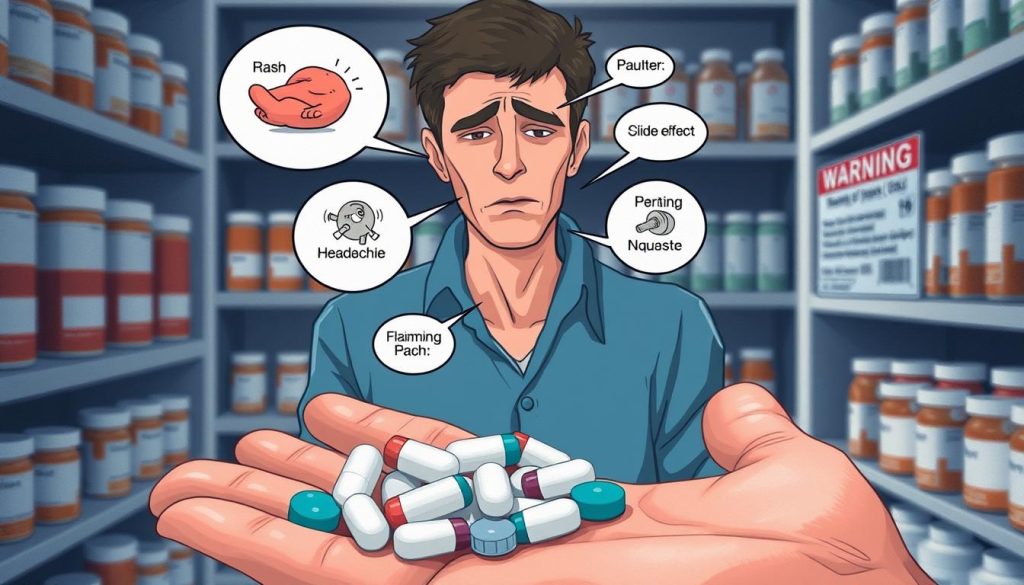
Common Side Effects to Watch For
Prescription medications can cause a variety of side effects, ranging from mild to severe. Common side effects include nausea, dizziness, and headaches. It’s crucial to monitor these effects and report any concerns to your healthcare provider.
- Nausea and vomiting
- Dizziness or lightheadedness
- Headaches
- Drowsiness or fatigue
Drug Interactions: What You Need to Know
Drug interactions occur when a medication reacts with another substance, such as food, beverages, or other medications. These interactions can lead to adverse effects or reduce the effectiveness of your prescription drugs.
Food and Beverage Interactions
Certain foods and beverages can interact with your medications. For example, grapefruit juice can affect how some drugs are metabolized. It’s essential to read the medication guide or consult with your healthcare provider about potential food and beverage interactions.
Drug-Drug Interactions
Taking multiple medications can increase the risk of drug-drug interactions. Always inform your healthcare provider about all the medications you’re taking, including over-the-counter drugs and supplements, to minimize this risk.
When to Contact Your Healthcare Provider
If you experience severe or persistent side effects, it’s crucial to contact your healthcare provider. They can provide guidance on managing side effects or adjusting your medication regimen if necessary.
Reporting Adverse Drug Reactions
Reporting adverse drug reactions is vital for improving drug safety. If you experience a significant adverse effect, you can report it to the FDA or your healthcare provider. This information helps in monitoring and managing drug safety.
By staying informed and proactive, you can effectively manage medication side effects and interactions. Utilize a reliable drug information website for additional resources and guidance on your prescription medications.
Safe Medication Usage Tips
Safe medication usage is a critical aspect of healthcare that requires attention to several key factors. By understanding the differences between generic and brand-name medications, storing medications properly, adhering to prescribed dosages, and disposing of unused medications correctly, you can minimize risks and maximize the effectiveness of your treatment.
Generic vs. Brand-Name Medications
Generic medications are equivalents of brand-name drugs that have the same active ingredients, dosage, and effects. Choosing generic medications can be cost-effective without compromising on quality. However, it’s essential to consult with your healthcare provider to ensure that a generic version is suitable for your specific needs.
Proper Storage of Medications
Medications should be stored in a cool, dry place, away from direct sunlight and out of reach of children and pets. Some medications require refrigeration, so it’s crucial to follow the storage instructions provided with your medication. Proper storage helps maintain the potency and safety of your medications.
Adhering to Prescribed Dosages
Adhering to the prescribed dosage is vital for the effectiveness of your treatment and minimizing potential side effects. Skipping doses or taking more than prescribed can lead to complications.
Medication Reminder Tools and Apps
Utilizing medication reminder tools or apps can help you stay on track with your medication schedule. These tools can send reminders to take your medication, refill prescriptions, and track your adherence.
What to Do If You Miss a Dose
If you miss a dose, take it as soon as you remember, unless it’s almost time for your next dose. In that case, skip the missed dose and continue with your regular schedule. Never double up on doses to make up for a missed one without consulting your healthcare provider.
Disposal of Unused or Expired Medications
Proper disposal of unused or expired medications is crucial to prevent accidental ingestion and environmental contamination. Many communities have designated drop-off locations or take-back programs for safe disposal. Check with your local pharmacy or healthcare provider for guidance.
Communicating Effectively with Healthcare Providers
Effective communication with your healthcare providers is key to safe medication usage. Inform them about any side effects, concerns, or questions you have regarding your medications. This open dialogue helps ensure that your treatment plan is tailored to your needs and adjusted as necessary.
Conclusion
Understanding common prescription drugs is a crucial step in taking control of your health. By familiarizing yourself with the different types of medications, their uses, and potential side effects, you can make informed decisions about your care. A medication dictionary or prescription medication guide can be a valuable resource in this process.
As you’ve learned, prescription medications are a vital part of modern healthcare. From antibiotics and cardiovascular medications to pain management and mental health treatments, these drugs can significantly improve your quality of life. However, it’s essential to use them responsibly and under the guidance of a healthcare professional.
By being proactive and informed, you can navigate the world of prescription medications with confidence. Remember to always read and follow the instructions on your prescription label, ask questions if you’re unsure, and report any concerns to your healthcare provider. With the right knowledge and support, you can achieve better health outcomes and improve your overall well-being.
FAQ
What is the difference between a generic and a brand-name medication?
Generic medications have the same active ingredients as brand-name medications but are often cheaper. They are approved by the FDA and are considered just as safe and effective as their brand-name counterparts.
How can I properly store my prescription medications?
Store medications in a cool, dry place, away from direct sunlight and out of reach of children. Some medications require refrigeration, so check the label or consult with your pharmacist.
What should I do if I miss a dose of my medication?
If you miss a dose, take it as soon as you remember. However, if it’s close to the time for your next dose, skip the missed dose and continue with your regular schedule. Never double up on doses.
Can I take my prescription medication with food or drinks?
Some medications should be taken with food or specific drinks to enhance absorption or reduce stomach upset. Check your prescription label or consult with your healthcare provider or pharmacist for guidance.
How do I know if I’m experiencing a side effect from my medication?
Common side effects can vary depending on the medication. Check your prescription label or the patient information leaflet that comes with your medication. If you’re experiencing unusual symptoms, contact your healthcare provider.
What are the risks of not reporting adverse drug reactions?
Failing to report adverse drug reactions can lead to continued harm or even serious health complications. Reporting these reactions helps the FDA and manufacturers identify and address potential safety issues.
Can I stop taking my medication once my symptoms improve?
No, you should not stop taking your medication without consulting your healthcare provider, even if your symptoms improve. Stopping prematurely can lead to a relapse or worsening of your condition.
How can I effectively communicate with my healthcare provider about my medications?
Keep a list of your medications, including dosages and any allergies. Be open about your concerns, side effects, or questions. Ask your healthcare provider to explain anything you don’t understand.
What is the proper way to dispose of unused or expired medications?
Check with your local pharmacy or healthcare provider for take-back programs or guidelines on safe disposal. Some medications can be disposed of in the household trash, but others require special handling.
Are there any medication reminder tools or apps that can help me stay on track?
Yes, there are many apps and tools available that can send reminders, track your medication schedule, and provide information about your medications. Consult with your healthcare provider or pharmacist for recommendations.